Switching to some Natural Toothbrush
Wiki Article
As more and more people embrace sustainable living, everyday habits are being re-evaluated—including oral care. One simple yet impactful change is switching to your guide to bamboo toothbrushes. This small step is able to reduce plastic waste, support eco-friendly practices, and also improve your overall lifestyle.
What Is a Natural Toothbrush?
A natural toothbrush is normally made from biodegradable or sustainable materials. Instead of plastic handles, these toothbrushes often use bamboo, wood, or another plant-based alternatives. The bristles can still be nylon sometimes, however, many brands are actually exploring plant-based or compostable options.
Unlike conventional toothbrushes, which can take hundreds of years to decompose, natural toothbrushes are designed with minimal environmental impact planned.
Why Make the Switch?
1. Reduce Plastic Waste
Traditional toothbrushes contribute significantly to global plastic pollution. Billions are discarded each and every year, selecting landfills and oceans. Switching to some natural alternative helps reduce this waste.
2. Eco-Friendly Materials
Bamboo toothbrushes, in particular, are popular because bamboo grows quickly and requires fewer resources than plastic production. It’s a renewable material that decomposes considerably quicker.
3. Health-Conscious Choice
Many natural toothbrushes cost nothing from harmful chemicals including BPA, commonly present in plastics. This makes them a safer option for daily use.
4. Minimalist Lifestyle
Natural toothbrushes often come in simple, plastic-free packaging, aligning which has a minimalist and environment friendly lifestyle.
Types of Natural Toothbrushes
There are many options available, based on your preferences:
Bamboo toothbrushes – The most common and widely available
Wooden toothbrushes – Durable and aesthetically pleasing
Plant-based bristle brushes – Designed to be more biodegradable
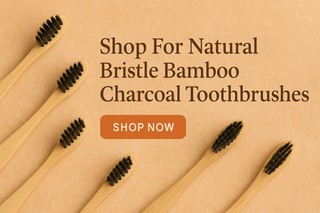
Some brands even offer charcoal-infused bristles, that happen to be believed to assistance with teeth whitening and odor control.
What to Consider Before Buying
When selecting a natural toothbrush, keep the following planned:
Bristle type – Look for soft or medium bristles to shield your gums
Compostability – Check whether or not the entire brush or perhaps the handle is biodegradable
Certifications – Some brands offer eco-certifications for sustainability
Comfort and grip – Make sure the handle feels comfortable inside your hand
Transitioning doesn’t mean sacrificing quality—many natural toothbrushes perform as well as traditional ones.
How to Dispose of a Natural Toothbrush
One of the most popular advantages is a lot easier disposal:
Remove the bristles (otherwise biodegradable)
Compost the handle if it’s bamboo or wood
Reuse the handle for household purposes like cleaning
This process helps to ensure that your oral care routine leaves a smaller environmental footprint.
Tips for Making the Transition
Switching to a natural toothbrush is not hard, but here are some tips to help:
Start by replacing your toothbrush when it’s time for a new one
Pair it with natural toothpaste for the fully eco-friendly routine
Store it in the dry place to extend its lifespan
Replace it every 2–3 months, like a regular toothbrush
Switching to some natural toothbrush is a simple yet meaningful step toward a much more sustainable lifestyle. By choosing eco-friendly materials and reducing plastic waste, you contribute to some healthier planet without compromising your daily routine.